
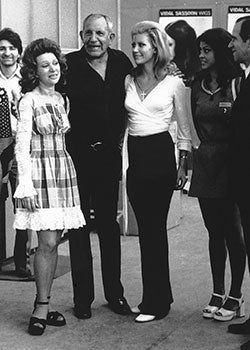




Have you ever looked at an old photograph and immediately guessed the decade just by looking at the dress?
Fashion has a funny way of telling us when—and sometimes where—we are in history. Dresses have changed dramatically over the decades, and it isn't just because designers wanted something new.
In the 1920s, dresses became shorter and looser, reflecting the era's famously relaxed silhouettes. By the 1950s, fitted waists and fuller skirts created a much more structured look.
The 1960s brought shorter hemlines and youthful, playful styles, while the 1970s embraced flowing shapes, bold prints, and bohemian influences. Then came the 1980s, when bigger silhouettes, strong shoulders, and dramatic details took center stage.
So, why does fashion keep changing?
Part of the answer is that clothing reflects culture, technology, lifestyles, and the people wearing it. New fabrics and manufacturing techniques can make different styles possible, while changing lifestyles can influence what feels practical or desirable.
And here's the fun part: fashion rarely says goodbye forever. Trends often return with a modern twist. A silhouette that feels completely new today may have already had its moment decades ago.
At Squeem, we love a good fashion comeback. Because when it comes to style, yesterday's trend might just be tomorrow's favorite.