
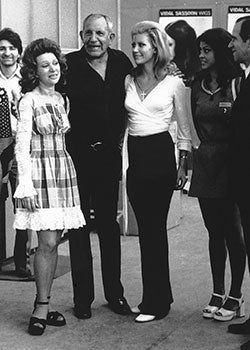




For centuries, women have explored different ways to shape and support their silhouette. One of the earliest examples is the corset—a structured garment known for its firm design and defined shaping.
Traditionally, corsets were made with rigid materials and lacing that pulled the waist inward. While they created a sculpted look, they often required careful adjustment and were typically reserved for more formal wear rather than everyday use.
✨ Did you know? Corsets weren’t just made with whalebone—some used steel, wood, and even layers of tightly woven fabric to create their structured shape.
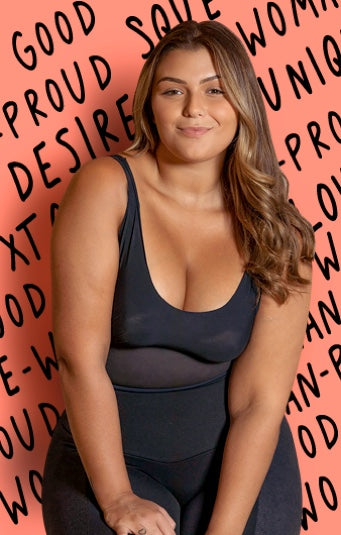
Today, modern waist cinchers offer a different approach. Designed with flexibility and ease in mind, they provide support while allowing natural movement. Lightweight materials and smoother construction make them more adaptable to daily routines, blending seamlessly under a variety of outfits.
What sets modern shapewear apart is its focus on balance. Instead of restricting movement, it works with the body—helping garments fall smoothly while maintaining comfort throughout the day.
At Squeem, we embrace this modern perspective. Our community values pieces that feel supportive without sacrificing comfort, allowing confidence to come naturally.
From structured beginnings to flexible design, waist shaping has come a long way—proving that true style is not just about how something looks, but how it feels.